"말을 교묘하게 하고 얼굴빛을 꾸미는 자들에겐 인(仁)이 드물구나!"
"<시경>에서 '[칼로] 끊듯이, [줄로] 갈듯이, [정으로] 쪼듯이 [숫돌로] 윤을 내듯이'라고 한 것은, 이것을 가리키는 것입니까?"
공자께서 말씀하셨다.
"사야, 비로소 너와 더불어 <시>를 이야기할 수 있겠다."
"남이 자기를 알아주는 것을 근심하지 말고, [자기가] 남을 알지 못하는 것을 근심하라."
"<시> 삼백 편을 한마디로 하면 '생각에 사악함이 없다'는 것이다."
"배우기만 하고 생각하지 않으면 미혹되고, 생각하기만 하고 배우지 않으면 위태롭다."
"... 말에 허물이 적고 행동에 후회가 적으면 녹봉은 그 안에 들어있다."
"그림 그리는 일은 흰 바탕 이후의 일이다."
"부유하고 귀함은 사람들이 바라는 바이지만 그것이 정당하게 얻은 것이 아니면 누려서는 안 된다. 가난함과 천함은 사람들이 싫어하는 바이지만, 그것이 정당하게 얻어진 것이 아니라 하더라도 벗어나려 해서는 안 된다. 군자가 인을 버리고 어디서 명성을 얻겠는가? 군자는 한 끼의 밥을 먹는 시간조차도 인을 어기지 않고, 황망하고 다급할 때도 반드시 여기에 근거하고, 넘어질 때도 반드시 여기에 근거한다."
"군자는 천하에 대하여 꼭 그래야만 하는 것도 없고 절대 해서는 안 된다는 것도 없어서, 의로움만 함께할 뿐이다."
"능력이 없는 사람이라면 중도에 그만둔다. 지금 너는 선을 긋고 있다."
"바탕이 꾸밈을 이기면 촌스럽고, 꾸밈이 바탕을 이기면 텅 빈 듯하다. 꾸밈과 바탕이 고르게 조화를 이루고 난 뒤에야 군자인 것이다."
"무엇을 안다는 것은 그것을 좋아하는 것만 못하고, 무엇을 좋아한다는 것은 그것을 즐기는 것만 못하다."
"군자는 태평하면서 너그럽고, 소인은 늘 걱정에 휩싸여 있다."
"... 군자가 도보다 소중하게 여기는 것이 세가지가 있다. 몸을 움직일 때는 조급함과 게으름을 멀리하고, 안색을 바로잡을 때는 믿음에 가깝도록 하며, 말을 내뱉을 때는 비속하거나 도리에 들어맞지 않는 것을 멀리한다. 제기를 다루는 일 따위의 소소한 일은 유사(그 일을 주관하는 낮은 벼슬아치)가 맡으면 된다."
공자께서는 네 가지를 절대 하지 않으셨다. 억측을 하지 않으셨고, 반드시 하겠다는 게 없으셨으며, 고집을 부리지 않으셨고, 나만이 옳다고 하지도 않으셨다.
"[학문하는 것은] 비유하자면 산을 쌓는 것과 같으니, 한 삼태기의 흙을 이루지 못하고 그만두어도 내가 그만둔 것이다. 비유하자면 땅을 고르는 것과 같으니, 한 삼태기의 흙을 부어서 나아갈지라도 내가 [나아]가는 것이다."
"삶을 알지 못하는데, 어찌 죽음을 알겠느냐?"
"서두르지 말고, 작은 이익을 보려고 하지 말아라. 서두르면 도달하지 못하고, 작은 이익을 보려고 하면 큰일을 이루지 못한다."
"강직함, 의연함, 질박함, 어눌함은 인仁에 가깝다."
"옛날에 배우는 자들은 자신의 수양을 위해서 했는데, 오늘날 배우는 자들은 남의 인정을 받기 위해서 한다."
"현명한 사람은 [혼란한] 세상을 피하고, 그다음 부류는 [어지러운] 지역을 피하며, 그다음 부류는 표정이 좋지 않은 사람을 피하고, 그다음은 [나쁜] 말을 피한다."
"군자는 곤궁함을 굳게 버티지만, 소인은 곤궁해지면 아무 짓이나 한다."
"사람이 멀리 생각하지 않으면 반드시 가까운 곳에 근심이 있다."
자공이 여쭈었다.
"한마디 말로 평생 동안 실천할 만한 것이 있습니까?"
공자께서 말씀하셨다.
"아마도 서(恕)일 것이다. 자기가 하고자 하지 않는 바를 남에게 베풀지 않는다."
"나는 온종일 먹지도 않고 밤새도록 잠자지 않고 생각해 보았지만, 유익함이 없었으며, 배우는 것이 더 나았다."
"군자는 [큰] 곧음을 가지고 있지만 [작은] 믿음을 고집하진 않는다."
"비록 작은 재주라도 반드시 볼만한 것이 있다. 하지만 [그 때문에] 멀리 가면서 흙을 묻히게 될까 두려워 군자는 하지 않는 것이다."
자장이 여쭈었다.
"무엇을 다섯 가지 미덕이라 합니까?
공자께서 말씀하셨다.
"군자는 은혜를 베풀면서도 낭비하지 않고, 수고롭더라도 원망하지 않으며, 욕망은 있어도 탐욕은 없고, 느긋하면서도 교만하지 않고, 위엄이 있으면서도 사납지 않은 것이다."
- 공자의 제자들이 공자의 말을 스승 사후에 집필한 책, '논어'.
간결한 대화체의 함축적 문장이 마치 소크라테스의 대화를 상기시킬 정도로 닮아 있다. 두 철인의 삶도 어느정도는 닮아있다는 점이 신기하다.
'논어'의 내용은 너무도 익숙할 정도로 어려서부터 들어온 내용이다. 그러나, 단편적인 내용들을 처음부터 끝까지 읽어봄으로서 공자의 사상을 조금이라도 더 이해할 수 있었던 부분이 있다. 공자가 유교적인 예를 중시했지만, 그보다는 인과 도를 그 앞에 두었음을 알 수 있다. 기원전의 사상가가 현대에까지도 통용되는 가치를 역설했는지, 그리고 그 가치가 서구의 그것과도 비슷한 면이 있음을 새삼스레 느끼게 된다.
오직 예의 형식만을 중요시하는 현대에 와서, "군자는 천하에 대하여 꼭 그래야만 하는 것도 없고 절대 해서는 안 된다는 것도 없어서, 의로움만 함께할 뿐이다." 라는 공자의 말씀을 한 번쯤 깊이 새겨 볼 만하다는 생각이 든다.
2013년 9월 25일 수요일

2013년 9월 12일 목요일
J. Slocum의 "Sailing Alone Around the World" 중
I watched light after light sink astern as I sailed into the unbounded sea, till Sambro, the last of them all, was below the horizon. The Spray was then alone, and sailing on, she held her course. July 4, at 6 a.m., I put in double reefs, and at 8:30 a.m. turned out all reefs. At 9:40 p.m. I raised the sheen only of the light on the west end of Sable Island, which may also be called the Island of Tragedies. The fog, which till this moment had held off, now lowered over the sea like a pall. I was in a world of fog, shut off from the universe. I did not see any more of the light. By the lead, which I cast often, I found that a little after midnight I was passing the east point of the island, and should soon be clear of dangers of land and shoals.
Let one be without a friend, and see what will happen!
Whatever the danger may have been, much or little, I can truly say that the moment was the most serene of my life.
The Spray now reached away for Coffee Island, whihc I sighted on my birthday, February 20, 1896.
One wave, in the evening, larger than others that had threatened all day, - one such as sailors call "fine-weather seas," - broke over the sloop fore and aft. It washed over me at the helm, the last that sept over the Spray off Cape Horn. It seemed to wash away old regrets. All my troubles were now astern; summer was ahead; all the world was again before me. The wind was even literally fair. My "trick" at the wheel was now up, and it was 5 p.m. I had stood at the helm since eleven o'clock the morning before, or thirty hours.
Then the time to uncover my head, for I sailed alone with God. The vast ocean was again around me, and the horizon was unbroken by land.
four mintues, we all know, representing one degree. This, briefly, is the principle on which longitude is found independent of chronometers. The work of the lunarian, though seldom prctised in these days of chronometers, is beautifully edifying,m and there is nothing in the realm of navigation that lifes one's heart up more in adoration.
To be alone forty-three days would seem a long time, but in reality, even here, winged moments flew lightly by,
The first name on the Spray's visitors' book in the home port was written by the one who always said, "The Spray will come back."
- 이 책은 Joshua Slocum 이라는 사람이 1895년 돛대 하나 달린 소형 범선으로 3년동안 46,000마일의 세계를 항해한 기록이다. Sail boat의 선장이었던 Slocum은 steam boat의 등장으로 자신이 가지고 있는 항해 기술이 점점 쓸모없어지는 것을 느끼며, 재정적으로도 힘든 상황에서 37풋트의 굴잡이 범선을 스스로 개조해 (거의 새로 만들어) 항해를 시작한다. 미동부 Rhode Island에서 시작한 항해는 유럽, 호주, 아프리카 등을 거쳐 다시 미동부로 돌아오는 과정에서 많은 일들을 겪게 되지만, 혼자 그것도 바람으로만 갈 수 있는 작은 범선으로 항해를 한 것은 전례가 없는 일이었다.
내게 와 닿은 것은 두가지, 하나는 "Alone"이라는 것, 다른 하나는 "Courage".
어디론가 혼자 여행을 떠나는 것과 망망대해로 혼자 작은 범선을 가지고 나아가는 것은 다른 일이다. 생명을 내걸은 고독, 그것을 추진할 수 있었던 원동력은 무엇이었을까? 며칠을 방향타를 떠나지 못하는 거친 바다에서 그는 완전한 바다를 느꼈다고, 혼자서 신과의 항해를 했다고 말한다. 그 항해에서 어떤 신대륙이나 새로운 섬을 발견한 것은 아니었지만, 그에게는 그 항해 자체가 그의 목적이나 의미였다고 결론에서 말하고 있다.
내게는 알 수 없는 일, 그와 같이 막막한 거친 바다로 혼자 나가지 않고서는 느끼지 못할 그 마음을, 그의 회고를 통해 조금의 엿보고 조금은 이해하고, 인생의 항해에서 혼자 떨어져도 그리 두렵지 않을 것과 같은 위로를 받은 듯.
Let one be without a friend, and see what will happen!
Whatever the danger may have been, much or little, I can truly say that the moment was the most serene of my life.
The Spray now reached away for Coffee Island, whihc I sighted on my birthday, February 20, 1896.
One wave, in the evening, larger than others that had threatened all day, - one such as sailors call "fine-weather seas," - broke over the sloop fore and aft. It washed over me at the helm, the last that sept over the Spray off Cape Horn. It seemed to wash away old regrets. All my troubles were now astern; summer was ahead; all the world was again before me. The wind was even literally fair. My "trick" at the wheel was now up, and it was 5 p.m. I had stood at the helm since eleven o'clock the morning before, or thirty hours.
Then the time to uncover my head, for I sailed alone with God. The vast ocean was again around me, and the horizon was unbroken by land.
four mintues, we all know, representing one degree. This, briefly, is the principle on which longitude is found independent of chronometers. The work of the lunarian, though seldom prctised in these days of chronometers, is beautifully edifying,m and there is nothing in the realm of navigation that lifes one's heart up more in adoration.
To be alone forty-three days would seem a long time, but in reality, even here, winged moments flew lightly by,
The first name on the Spray's visitors' book in the home port was written by the one who always said, "The Spray will come back."
- 이 책은 Joshua Slocum 이라는 사람이 1895년 돛대 하나 달린 소형 범선으로 3년동안 46,000마일의 세계를 항해한 기록이다. Sail boat의 선장이었던 Slocum은 steam boat의 등장으로 자신이 가지고 있는 항해 기술이 점점 쓸모없어지는 것을 느끼며, 재정적으로도 힘든 상황에서 37풋트의 굴잡이 범선을 스스로 개조해 (거의 새로 만들어) 항해를 시작한다. 미동부 Rhode Island에서 시작한 항해는 유럽, 호주, 아프리카 등을 거쳐 다시 미동부로 돌아오는 과정에서 많은 일들을 겪게 되지만, 혼자 그것도 바람으로만 갈 수 있는 작은 범선으로 항해를 한 것은 전례가 없는 일이었다.
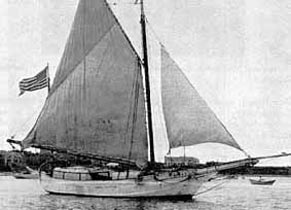 |
| Source: http://www.municipalities.com/islandscap/index.htm |
내게 와 닿은 것은 두가지, 하나는 "Alone"이라는 것, 다른 하나는 "Courage".
어디론가 혼자 여행을 떠나는 것과 망망대해로 혼자 작은 범선을 가지고 나아가는 것은 다른 일이다. 생명을 내걸은 고독, 그것을 추진할 수 있었던 원동력은 무엇이었을까? 며칠을 방향타를 떠나지 못하는 거친 바다에서 그는 완전한 바다를 느꼈다고, 혼자서 신과의 항해를 했다고 말한다. 그 항해에서 어떤 신대륙이나 새로운 섬을 발견한 것은 아니었지만, 그에게는 그 항해 자체가 그의 목적이나 의미였다고 결론에서 말하고 있다.
내게는 알 수 없는 일, 그와 같이 막막한 거친 바다로 혼자 나가지 않고서는 느끼지 못할 그 마음을, 그의 회고를 통해 조금의 엿보고 조금은 이해하고, 인생의 항해에서 혼자 떨어져도 그리 두렵지 않을 것과 같은 위로를 받은 듯.
2013년 7월 15일 월요일
Seneca의 'On the Shortness of Life' - Life is long if you know how to use it - 중
life ceases for the rest of us just when we are getting ready for it. Nor is it just the man in the street and the unthinking mass of people who groan over this - as they see it - universal evil: the same feeling lies behind complaints from even distinguished men. (skip) It is not that we have a short time to live, but that we waste a lot of it. (skip) we are not given a short life but we make it short.
life is long enough if you know how to use it. But one man is gripped by insatiable greed, another by a laborious dedication to useless tasks. (skip) Look at those whose good fortune people gather to see: they are choked by their own blessings. (skip) he has bent his ears to your word, he has let you walk beside him. But you never deign to look at yourself or listen to yourself. So you have no reason to claim credit from anyone for those attentions, since you showed them not because you wanted someone else's company but becuase you could not bear your own.
You are living as if destined to live for ever; (skip) You act like mortals in all that you fear, and like immortals in all that you desire.
whatever time was available he devoted entirely to himself. None of it lay fallow and neglected, none of it uner another's control; (skip)
Mark off, I tell you, and review the days of your life: you will see that very few - the useless remnants - have been left to you. (skip) Everone hustles his life along, and is trouble by a longing for the future and weariness of the present. But the man who spends all his time on his own needs, who organizes every day as though it were his last, neither longs for nor fears the next day.
Can anything be more idiotic than certain people who boast of their foresight? They keep themselves officiously preoccupied in order to improve their lives; they spend their lives in organizing their lives. They direct their purposes with an eye to a distant future. But putting things off is the biggest waste of life: it snatches away each day as it comes, and denies us the present by promising the future. The greatest obstacle to living is expectancy, which hangs upon tomorrow and loses today. You are arranging what lies in Fortune's control, and abandoning what lies in yours. What are you looking at? To what goal you are straining? The whole future lies in uncertainty: live immediately. (skip)
Old age overtakes them while they are still mentally childish, and they face it unprepared and unarmed.
So, however short, it is fully sufficient, and therefore whenever his last day comes, the wise man will not hesitate to meet death with a firm step.
Do you call those men leisured who divide their time between the comb and the mirror? (skip) By these means they cultivate a reputation for elegance and good taste, and to such an extent do their failings follow them into all areas of their private lives that they cannot eat or drink without ostentation.
It would be tedious to mention individually those who have spent all their lives playing draghts or ball, or carefully cooking themselves in the sun. they are not at leisure whose pleasures involve a seriuos commitment. (skip) But now the Romans too have been afflicted by the pointless enthusiasm for useless knowledge. (skip) such knowledge will not do us any good, but it interest us because of the appeal of these pointless facts. (skip) but does it serve any good purpose? (skip)
sometimes he wondered whether it was better not to be involved in any researches than to entangled in these.
Of all people only those are at leisure who make time for philosophy, only those are really alive. For they not only keep a good watch over their own lifetimes, but they annex every age to theirs.
it was not in our power to choose the parents (skip) But we can choose whose children we would llike to be. There are households of the noblest intellects: choose the one into whihe you wish to be adopted, and you will inherit not only their name but their property too. (skip) Time is present: he uses it. Time is to come: he anticipates it. This combination of all times into one gives him a long life.
But life is very short and anxious for those who forget the past, neglect the present, and fear the future.
extract yourself from the crowd, (skip) take some of your own time for yourself too.
Stolid pack-animals are much more fit for carrying loads than thoroughbred horses: who ever subdued their noble speed with a heavy burden? Consider too how much anxiety you have in submitting yourself to such a weight of responsibility:
So, when you see a man repeatedly wearing the robe of office, or one whose name is often spoken in the Forum, do not envy him: these things are won at the cost of life.
I've come across people who say that there is a sort of inborn restlessness in human spirit and an urge to change one's abode; for man is endowed with a mind which is changeable and unsettled: nowhere at rest, it darts about and directs its thoughts to all places known and unknown, a wanderer which cannot endure repose and delights chiefly in novelty. This will not surprise you if you consider its original source. It was not made from heavy, earthly material, but came down from that heavenly spririt: but heavenly things are by natuer always in motion, (skip)
whaat does it matter what ground I stand on?
You really must consider how small your bodies are.
though he piles all these up, they will never sate his insatiable soul; just as no amount of fluid will satisfy one whose craving arises not from lact of water but from burning internal fever: for that is not a thirst but a disease. (skip) So the man who restrains himself within the bounds set by nature will not notice poverty; the man who exceeds these bounds will be pursued by poverty however rich he is. (skip) It is the mind that creates our wealth,
Homer had one slave, Plato had three, and Zeno, the founder of the strict and manly Stoic philosophy, had none.
No man is despised by another unless he despised by himself. (skip) If a great man falls and remains great as he lies, people no more despise him than they stamp on a fallen temple, which the devout still worship as much as when it was standing.
Let no one rob me of a single day who is not going to make me an adequate return for such a loss. (skip)
You were born to die, and a silent funeral is less bothersome. So if you must fill your time, write something in a simple style for your own use and not for publication: (skip) Then it is that I forget my rule and principle of restraint, and I am carried too far aloft by a voice no longer my own.
confidence in yourself and the belief that you are on the right path, and not led astray by the many tracks which cross yours of people who are hopelessly lost, though some are wandering not far from the true path. (skip) this steady firmness of mind 'euthymia' (skip) but I call it tranquillity,
They make one journey after another and change spectacle for spectacle. As Lucretius says, 'Thus each man ever flees himself.' But to what end, if he does not escape himself? He pursures and dogs himself as his own most tedious companion. And so we must realize that our difficulty is not the fault of the places but of ourselves.
We must be especially careful in choosing people, and deciding whether they are worth devoting a part of our lives to them, whether the sacrifice of our time makes a difference to them. For some people actually charge us for our services to them.
Still, you must especially avoid those who are gloomy and always lamenting, and who grasp at every pretext to complaint. (skip) a companion who is agitated and groaning about everything is an enemy to peace of mind.
practised thrift, without which no amount of wealth is enough, and no amount is not ample enough.
The next thing to ensure is that we do not waste our energies pointlessly or in pointless activities: (skip) like ants (skip) purposelessly make their way right up to the topmost branch and then all the way down again. (skip) busy idleness. (skip) It is not industry that makes men restless, but false impressions of things drive them mad.
We should also make ourselves flexible, so that we do not pin our hopes too much on our set plans, and can move over to those things to which chance has brought us, without dreading a change in either our purpose or our condition,
For it is agonizing always to be watching yourself in fear of being caught when your usual mask has slipped. (skip) there is a big difference between living simply and living carelessly.
Our minds must relax: they will rise better and keener after a rest.
with Aristotle that 'No great intellect has been without a touch of madness,' only a mind that is deeply stirred can utter something noble and beyond the power of others. When it has scorned everyday and commonplace thoughts and risen aloft on the wings of divine inspiration, only then does it sound a note nobler than mortal voice could utter.
- 세네카의 '시간'에 대한 논의는 너무도 명확하게 가슴에 와 닿는다. 누구에게나 충분한 시간이 있다. 죽음이 오기까지, 다만 제대로 그 시간을 살아내지 않는 것 뿐이다. 너무도 동의한다. 어떻게 BC 5년에 태어나 AD 65년까지 살았던 철학자가 현대에 와서도 심금을 울리는 진리를 이리도 정확하게 이야기할 수 있을까?
책임, 명예, 부, 욕심, 타인의 시선, 등에 항상 흔들리게 됨에도 불구하고 자신의 삶을 제대로 살아내기 위해서 지켜야 할 것들... 미래는 anticipate하고, 현재는 use할 것. 작은 무의미한 일들에서 벗어날 것, 관계의 덫을 피할 것, 절제하고 변화를 수용할 것, 그러다 보면 다다를 평정.
언젠가 노트에 적었던 것처럼 '평정(tranquillity/serenity)'은 어느순간 다다르는 상태가 아니라, 자신의 소중한 영지처럼 가꾸고 지켜야만 하는 것 같다. 이 순간을 살 수 있도록, 죽음을 맞을때 견고한 발걸음으로 나아갈 수 있도록, 허위 장막을 걷어내고 본질을 볼 수 있는 눈을 가지고, 삶을 보다 온전히 살도록 독려하는 소중한 책.
대부분의 말들은 알고 있었던 것을 명료하게 다시 확인해 주는 부분들. 그러나, 내가 가지고 있는 restlessness에 대해서 보다 잘 인식하게 되었다. 위를 보면 같은 하늘인 것을, 왜 그리도 안주하지 못했었는지... 어떤 땅에 서 있던, (혹은 넘어져 있던), 나라는 인간의 본질은 결국 나인 것을, 중요한 것은 나라는 존재의 본질. 혹은 살아나감.
life is long enough if you know how to use it. But one man is gripped by insatiable greed, another by a laborious dedication to useless tasks. (skip) Look at those whose good fortune people gather to see: they are choked by their own blessings. (skip) he has bent his ears to your word, he has let you walk beside him. But you never deign to look at yourself or listen to yourself. So you have no reason to claim credit from anyone for those attentions, since you showed them not because you wanted someone else's company but becuase you could not bear your own.
You are living as if destined to live for ever; (skip) You act like mortals in all that you fear, and like immortals in all that you desire.
whatever time was available he devoted entirely to himself. None of it lay fallow and neglected, none of it uner another's control; (skip)
Mark off, I tell you, and review the days of your life: you will see that very few - the useless remnants - have been left to you. (skip) Everone hustles his life along, and is trouble by a longing for the future and weariness of the present. But the man who spends all his time on his own needs, who organizes every day as though it were his last, neither longs for nor fears the next day.
Can anything be more idiotic than certain people who boast of their foresight? They keep themselves officiously preoccupied in order to improve their lives; they spend their lives in organizing their lives. They direct their purposes with an eye to a distant future. But putting things off is the biggest waste of life: it snatches away each day as it comes, and denies us the present by promising the future. The greatest obstacle to living is expectancy, which hangs upon tomorrow and loses today. You are arranging what lies in Fortune's control, and abandoning what lies in yours. What are you looking at? To what goal you are straining? The whole future lies in uncertainty: live immediately. (skip)
Old age overtakes them while they are still mentally childish, and they face it unprepared and unarmed.
So, however short, it is fully sufficient, and therefore whenever his last day comes, the wise man will not hesitate to meet death with a firm step.
Do you call those men leisured who divide their time between the comb and the mirror? (skip) By these means they cultivate a reputation for elegance and good taste, and to such an extent do their failings follow them into all areas of their private lives that they cannot eat or drink without ostentation.
It would be tedious to mention individually those who have spent all their lives playing draghts or ball, or carefully cooking themselves in the sun. they are not at leisure whose pleasures involve a seriuos commitment. (skip) But now the Romans too have been afflicted by the pointless enthusiasm for useless knowledge. (skip) such knowledge will not do us any good, but it interest us because of the appeal of these pointless facts. (skip) but does it serve any good purpose? (skip)
sometimes he wondered whether it was better not to be involved in any researches than to entangled in these.
Of all people only those are at leisure who make time for philosophy, only those are really alive. For they not only keep a good watch over their own lifetimes, but they annex every age to theirs.
it was not in our power to choose the parents (skip) But we can choose whose children we would llike to be. There are households of the noblest intellects: choose the one into whihe you wish to be adopted, and you will inherit not only their name but their property too. (skip) Time is present: he uses it. Time is to come: he anticipates it. This combination of all times into one gives him a long life.
But life is very short and anxious for those who forget the past, neglect the present, and fear the future.
extract yourself from the crowd, (skip) take some of your own time for yourself too.
Stolid pack-animals are much more fit for carrying loads than thoroughbred horses: who ever subdued their noble speed with a heavy burden? Consider too how much anxiety you have in submitting yourself to such a weight of responsibility:
So, when you see a man repeatedly wearing the robe of office, or one whose name is often spoken in the Forum, do not envy him: these things are won at the cost of life.
I've come across people who say that there is a sort of inborn restlessness in human spirit and an urge to change one's abode; for man is endowed with a mind which is changeable and unsettled: nowhere at rest, it darts about and directs its thoughts to all places known and unknown, a wanderer which cannot endure repose and delights chiefly in novelty. This will not surprise you if you consider its original source. It was not made from heavy, earthly material, but came down from that heavenly spririt: but heavenly things are by natuer always in motion, (skip)
whaat does it matter what ground I stand on?
You really must consider how small your bodies are.
though he piles all these up, they will never sate his insatiable soul; just as no amount of fluid will satisfy one whose craving arises not from lact of water but from burning internal fever: for that is not a thirst but a disease. (skip) So the man who restrains himself within the bounds set by nature will not notice poverty; the man who exceeds these bounds will be pursued by poverty however rich he is. (skip) It is the mind that creates our wealth,
Homer had one slave, Plato had three, and Zeno, the founder of the strict and manly Stoic philosophy, had none.
No man is despised by another unless he despised by himself. (skip) If a great man falls and remains great as he lies, people no more despise him than they stamp on a fallen temple, which the devout still worship as much as when it was standing.
Let no one rob me of a single day who is not going to make me an adequate return for such a loss. (skip)
You were born to die, and a silent funeral is less bothersome. So if you must fill your time, write something in a simple style for your own use and not for publication: (skip) Then it is that I forget my rule and principle of restraint, and I am carried too far aloft by a voice no longer my own.
confidence in yourself and the belief that you are on the right path, and not led astray by the many tracks which cross yours of people who are hopelessly lost, though some are wandering not far from the true path. (skip) this steady firmness of mind 'euthymia' (skip) but I call it tranquillity,
They make one journey after another and change spectacle for spectacle. As Lucretius says, 'Thus each man ever flees himself.' But to what end, if he does not escape himself? He pursures and dogs himself as his own most tedious companion. And so we must realize that our difficulty is not the fault of the places but of ourselves.
We must be especially careful in choosing people, and deciding whether they are worth devoting a part of our lives to them, whether the sacrifice of our time makes a difference to them. For some people actually charge us for our services to them.
Still, you must especially avoid those who are gloomy and always lamenting, and who grasp at every pretext to complaint. (skip) a companion who is agitated and groaning about everything is an enemy to peace of mind.
practised thrift, without which no amount of wealth is enough, and no amount is not ample enough.
The next thing to ensure is that we do not waste our energies pointlessly or in pointless activities: (skip) like ants (skip) purposelessly make their way right up to the topmost branch and then all the way down again. (skip) busy idleness. (skip) It is not industry that makes men restless, but false impressions of things drive them mad.
We should also make ourselves flexible, so that we do not pin our hopes too much on our set plans, and can move over to those things to which chance has brought us, without dreading a change in either our purpose or our condition,
For it is agonizing always to be watching yourself in fear of being caught when your usual mask has slipped. (skip) there is a big difference between living simply and living carelessly.
Our minds must relax: they will rise better and keener after a rest.
with Aristotle that 'No great intellect has been without a touch of madness,' only a mind that is deeply stirred can utter something noble and beyond the power of others. When it has scorned everyday and commonplace thoughts and risen aloft on the wings of divine inspiration, only then does it sound a note nobler than mortal voice could utter.
- 세네카의 '시간'에 대한 논의는 너무도 명확하게 가슴에 와 닿는다. 누구에게나 충분한 시간이 있다. 죽음이 오기까지, 다만 제대로 그 시간을 살아내지 않는 것 뿐이다. 너무도 동의한다. 어떻게 BC 5년에 태어나 AD 65년까지 살았던 철학자가 현대에 와서도 심금을 울리는 진리를 이리도 정확하게 이야기할 수 있을까?
책임, 명예, 부, 욕심, 타인의 시선, 등에 항상 흔들리게 됨에도 불구하고 자신의 삶을 제대로 살아내기 위해서 지켜야 할 것들... 미래는 anticipate하고, 현재는 use할 것. 작은 무의미한 일들에서 벗어날 것, 관계의 덫을 피할 것, 절제하고 변화를 수용할 것, 그러다 보면 다다를 평정.
언젠가 노트에 적었던 것처럼 '평정(tranquillity/serenity)'은 어느순간 다다르는 상태가 아니라, 자신의 소중한 영지처럼 가꾸고 지켜야만 하는 것 같다. 이 순간을 살 수 있도록, 죽음을 맞을때 견고한 발걸음으로 나아갈 수 있도록, 허위 장막을 걷어내고 본질을 볼 수 있는 눈을 가지고, 삶을 보다 온전히 살도록 독려하는 소중한 책.
대부분의 말들은 알고 있었던 것을 명료하게 다시 확인해 주는 부분들. 그러나, 내가 가지고 있는 restlessness에 대해서 보다 잘 인식하게 되었다. 위를 보면 같은 하늘인 것을, 왜 그리도 안주하지 못했었는지... 어떤 땅에 서 있던, (혹은 넘어져 있던), 나라는 인간의 본질은 결국 나인 것을, 중요한 것은 나라는 존재의 본질. 혹은 살아나감.
2013년 7월 2일 화요일
Gaston Bachelard의 'Air an Dreams' 중
Then the image soar upward and vanish; they rise
and are shattered by their very height. Then the realism of unreality is
evident.
Nietzsche could be the representative for a complex
of height.
the walk into a soaring.
For Shelley, then, poetic images are all agents
of elevation. In other words, poetic images are operations of the human
mind insofar as they make us lighter, raise us or elevate us.
Anyone who rises sees the heights becoming more
clearly delineated and differentiated. (skip) The human arrow lives not only
its élan, but also its goal. It lives its sky. By becoming conscious of
his power to ascend, a human being becomes conscious of his destiny as a whole.
To be more exact, he knows that he is matter, a substance filled with hope. In
these images, hope seems to become as precise as it can be. It is an upright
destiny.
The wings invisible are those that fly the
farthest. - Gariele D'Annunzio, The Dead City -
It is most often blue or black; it flies upward
or downward.
The wing, an essential attribute of flight, is
the ideal cachet of perfection in almost all realms. Our soul, escaping from
the corporeal envelope that holds us down in this lower life here on earth, is
incarnate in a glorious body, lighter and faster than any bird.
the dream, like Toussenel's God, creates the soaring
spirit before creating the bird.
We lack wings, but we always have enough
strength to fall. - Paul Claudel, Positions et propositions -
vertiginous falls into bottomless pits.
Lucifer, cast out of heaven, fell for nine
days.
it is the will that dreams.
the imagination of the fall as a kind of
sickness of the imagination of rising, as an inexpiable nostalgia for
heights.
My fall creates the abyss; in no
way is the abyss the cause of my fall. I will see light again, but it will not
matter; nor will it matter that I will be returning to the living. (skip)
I can never have a feeling of having risen again because the fall is the
destiny of my dreams. (skip) Unhappy is he whose dream suffers the abyss.
The dynamic sensation of the "weakening of
the soul" occurs in a weighted atmosphere.
Nietzsche showed us that depth found in the
heights.
When we lands, he should be on a level just a
bit higher than the one from which he took off, so that, contrary to what
Thomas de Quincy noted, for a long time the dreamer retains the impression that
he has not "come down" completely, and he will be able to continue to
live his ordinary life in the heights of his aerial flight.
"I knew that there was a wind hidden in the
heart of things." - Guy Lavard, Poetique du ciel -
Luminous air and aerial light,
We discover the source of this imaginary light
- the light that is born within us - in the meditation that frees us from our
daily troubles. In place of the enlightened spirit, an enlightening
soul is born.
emerging light, an early morning light
where blue, pink, and gold mingle. Nothing garish. Nothing vivid. Here is a
beautiful synthesis round and diaphanous, pale alabaster lighted by the sun!
The elevation of the soul goes hand
in hand with its serenity. There is a dynamic connection between light and
height. (skip) "The abyss is troubled darkness."
When the feeling of elevation reaches its peak,
the universe is as peaceful as the mountaintops.
"Today you will read me and I shall live
through you."
When we have seen more clearly that Nietzsche's
cosmos is a cosmos of the heights, then we will also understand that
this soothing water it the Sky.
Nietzchean light is an arrow, a sword. It
inflicts a cold wound.
For Nietzsche, in fact, air is the very
substance of our freedom, the substance of superhuman joy. (skip) aerial joy
is freedom.
Neither by land nor water, but in the air, the
journey to the highest and coldest of solitary places.
Through air and cold, it is the silence that is
breathed, it is the silence that is an integral part of our very being.
Those who can breathe the air of my writings
know that it is an air of the heights, a strong air. (skip) The ice
is near, the solitude tremendous - but how calmly all things lie in the night!
How freely on breathes! How much one feels beneath oneself! - Nietzsche,
Ecce Homo -
"he who would learn to fly one day must
first learn to stand and walk and run and climb and dance: one cannot fly into
flying."
cast yourself entirely into the depths in order
to be able to rise up entirely toward the summits,
Whatever was difficult
Sank into blue forgetfulness -
-Nietzsche-
This tranquility is certain because it has been
conquered.
the pine tree at the edge of the abyss. (skip)
the tree's struggle to resist the forces of gravity.
upright, braced, standing straight; it is
vertical. It does not get its spa from subterrean water; it does not owe its
solidity to the rock; (skip) Nietzschean will. One wants to remain as it
is. The other wants to rise up. (skip) The temptation of the abyss
tonalizes the sky.
the seventh solitude
when constraint and contrivance and guilt steam
beneath us like rain."
Weight does not weigh on the world but
on our souls, our minds, our hearts - it weighs on man. To one who triumphs
over weight, to the superman, will be given a super-nature - that very nature
that is imagined by an aerial psyche.
celestial blue: (skip)
"sky blue" is always a concept, never
a primary image.
The one who dreams in the serenity of the night
finds the marvelous web of time that is resting.
Distance is abolished. An infinity of communion
erases an infinity of size. The world of stars touches our soul: it is a world
of gazing.
CLOUDS (skip) a reverie without
responsibility.
How can one take it along when one is only a
cloud
With holes in his pockets?
But nothing seems amazing to this little bit of
nothingness that glides.
Nothing seems so heavy that it cannot be taken along. - Supervielle -
the function of the imagination of clouds is an
invitation to ascend.
The soul's landscapes are more marvelous than
the landscapes of the starry sky. They have not only Milky Ways made up of
millions of stars, but even their dark abysses are living, embracing an
infinite life whose very overabundance darkens and stifles. And these abysses
where life is consumed can in a moment be illuminated, liberated, and changed
into Milky Ways.
To live in a great tree under its enormous leafy
crown is always, for the imagination, to be a bird. The tree is a source of
power for flight.
the bleeding tree, the tree that weeps?
There is someone
In the wind. - Guillevic, Terraque
-
And life is so great that even autumn has a
future.
It is to truly turn your face to the wind and
defy its force.
The wind's forehead appears
Like dawn in the forest. - Emile
Verhaeren -
the word is willed before it is spoken. In this
way, pure poetry is formed in the realm of the will before appearing on the
emotional level. For this reason it is all the more true that pure poetry is
far from being the art of representation. Created in the silence and solitude
of being, with no connection to hearing or sight, poetry seems to me to be the
primary phenomenon of the human aesthetic will.
Willed and re-willed, the origins of poetry's
vocal values are cherished in their essential expressions of will. (skip)
The will finds them in the silence and emptiness of being, (skip) will
to logos. (skip) in the silence of our own being, what it is we will
to become, we need to convince ourselves of our own becoming and to
exalt it for ourselves.
There are musicians who compose on blank paper,
in silence and immobility. Their eyes wide open, they create, by a gaze that
stretches into emptiness, a kind of visual silence, a silent gaze that effaces
the world in order to silence its noises; they write music. (skip)
life waits; harmony is about to come. (skip) They no longer belong to a
world of echoes or resonances. (skip)
There are also silent poets, silencers who start
by quieting an overly noisy universe and all the hubbub caused by its
thunderous sound. (skip) the literary image, allows us to live slowly the
time of its blooming.
the written language is creating its own
universe.
a literary image is an explosive.
The moment that a thought, cleverly hiding
beneath its images, lies in the shadow waiting for a reader, noises are
muffled, the reading begins, and it is a slow, dreaming reading. (skip)
And when this silence has fallen, then we can understand the strange
expressive burst, the elan vital of a confession:
And sometimes we discover a great line of
poetry, one that contains such suffering or such a great thought that the
reader - the solitary reader - murmurs: and that day, I shall read no further.
As Baudelaire writes on the first page of My
Heart Laid Bare: "Evaporation and concentration of the Self.
That is the crux."
for it seems that to express
the ineffable, the evasive, the aerial, every writer needs to develop themes of
inner wealth, wealth that bears the weight of inner certainty.
바슐라드의 물질에 대한 상상력은 무한하면서도 가슴 뜨금할 정도로 본질을 꿰뚫는다. 그의 문학적/예술적 상상의 고찰 범위에 해당하지 않는 것이 있을까 싶을 정도로.
때로는 같은 생각, 같은 언어가 곳곳에 배어 가슴 저리기도 하고, 무의식적으로 감춰진 내면을 구체적으로 서술해주는 문장을 만나 가슴 속 시원해지기도 하며, 대기에 대한, 하늘에 대한 인간의 상상을 읽었다. 지난해 현실을 떠나 반쯤 상승하는 구름을 그리며 내면의 실체를 발견하게 된 이후라 더욱더 마음에 와 닿았는지 모른다.
니체형 인간, 정상을 향해 발을 떼는 인간, 하늘을 동경하는 인간, 비상을 꿈꾸는 인간, 얽매이지 않는 인간, 절벽에 발을 딛고 하늘로 뻗는 소나무와 같은 인간... 정상과 고독을 동경하기에 이해받지 못하고 외로운 인간, 그럼에도 하늘로 향한 시선을 거두지 못하는 인간. 비상을 향한 갈망을 삼키는 인간, 그 갈증으로 부풀어 올라 타들어가는 인간. 눈을 감아도 보이는 창공에 어쩔 쭐 모르는 발없는 정신을 다잡고 사는 인간, 세찬 바람에 고개를 세우고 걸어올라가는 인간, 아무것도 아님을 알면서도 아무것도 아님을 응시하는 인간. 위로가 필요하다면, 아마도 이 책이...
그럼에도 불구하고, 같은 갈망이 번뜩 정신을 사로잡게 되면, 시공을 초월한 어느 시간 문장으로 만날 수 있기를, 바슐라르가 말한 대로 의지에의 문장에 존재의 허무함의 무게를 실어...
그리고 그 문장이 가슴을 치면 고개를 들어 잠시 중얼거리고 그 날은 더이상 읽지 않기로...
2013년 5월 25일 토요일
Epictetus 의 'The Art of Living' 중,
"Grant me the serenity to accept the things I cannot
change, the courage to change the things I can, and the wisdom to know the
difference."
distinguish between what you can and can't control
that inner tranquility and outer effectiveness become possible. (skip)
We always have a choice about the contents and
character of our inner lives.
Desire and aversion, though powerful, are but
habits. And we can train ourselves to have better habits. Restrain the habit of
being repelled by all those things that aren't within your control, and focus
instead on combating things within your power that are not good for you.
Do your best rein in your desire. For if you desire
something that isn't within your own control, disappointment will surely
follow;
Open your eyes: (skip)
Think about what delights you - the tools on which
you depend, the people whom you cherish.
Things and people are not what we wish them to be
nor what they seem to be. They are what they are.
It is our attitudes and reactions that give us
trouble.
Therefore even death is no big deal in and of
itself. It is our notion of death, our idea that it is terrible, that terrifies
us. (skip)
We cannot choose our external circumstances, but we
can always choose how we respond to them.
Never depend on the admiration of others. There is
no strength in it. (skip)
Create your own merit. (skip)
Get to it right now, do your best at it, and don't
be concerned with wo is watching you.
There is a time and place for diversion and
amusements, but you should never allow them to override your true purpose.
(skip) Keep your attention directed at the ship. Getting distracted by trifles
is the easiest thing in the world. Should the captain call, you must be ready
to leave those distractions and come running, without even looking back.
Nothing truly stops you. Nothing truly holds you
back. For your own will is always withing your control.
Sickness my challenge your body. But ar you merely
your body? Lameness may impede your legs. But are you merely your legs. Your
will is bigger than your legs.
Every difficulty in life presents us with an
opportunity to turn inward and to invoke our own submerged inner resources.
(skip)
On the occasion of an accidental event, don't just
react in a haphazard fashion: (skip) Dig deeply. You possess strengths you
might not realize you have. Find the right one. Use it. (skip)
Ass time goes by and you build on the habit of
matching the appropriate inner resource to each incident, you will not tend to
get carried away by life's appearances.
The important thing is to take great care with what
you have while the world lets you have it, just as a traveler takes care of a
room at an inn.
The surest sign of the highest life is serenity.
(skip)
refrain from such common patterns of thinking as
these: "If I don't work harder, I'll never earn a decent living, no one
will recognize me, I'll be a nobody," or "If I don't criticize my
employee, he'll take advantage of my good will." (skip)
When you call your child, be prepared that she may
not respond to you, or if she does, she might not do what you want her to do.
Spiritual progress requires us to highlight what is
essential and to disregard everything else as trivial pursuits unworthy of our
attention. Moreover, it is actually a good thing to be thought to be foolish
and simple with regard to matters that don't concern us. Don't be concerned
with other people's impressions of you. They are dazzled and deluded by
appearances. Stick with your purpose. This alone will strengthen your will and
give your life coherence.
Refrain from tryring to win other people's approval
and admiration You are taking a higher road. (skip) Be on your
guard against a false sense of self-importance. (skip)
While you are absorbed in one, you will neglect the
other.
it is foolish to wish that an employee, relative,
or friend be without fault. (skip)
Freedom isn't the right or ability to do whatever
you please. (skip) By accepting life's limits and inevitabilities and working
with them rather than fighting them, we become free.
Think of your life as if it were a banquet where
you would behave graciously. (skip) There is no need to yearn, envy, and grab.
You will get your rightful portion when it is your time.
Other people's views and troubles can be
contagious. Don't sabotage yourself by unwittingly adopting negative,
unproductive attitudes through your association with others. (skip)
We do a better service for ourselves and others by
detaching and avoiding melodramatic reactions.
Still, if you find yourself in conversation with
someone is depressed, hurt, or frustrated, show them kindness and give them a
sympathetic ear; just don't allow yourself to be pulled down too.
Whenever you find yourself and in whatever
circumstances, give an impeccable performance.
As you think, as you become. Avoid
superstitiously investing events with power or meanings they don't have. Keep
your head.
Authentic happiness is always independent of
external conditions. Vigilantly practice indifference to external conditions.
Your happiness can only be found within. (skip)
Don't make the mistake of assuming that
celebrities, public figures, political leaders, the wealthy, or people with
great intellectual or artistic gifts are necessarily happy. To do so is to be
bewildered by appearances and will only make you doubt yourself.
Instead of averting your eyes from the painful
events of life, look at them squarely and contemplate them often. By facing
the realities of death, infirmity, loss, and disappointment, you free yourself
of illusions and false hopes and you avoid miserable, envious thoughts.
Hold to your true aspirations no matter what is
going on around you.
Many people who have progressively lowered their
personal standards in an attempt to win social acceptance and life's comforts
bitterly resent those of philosophical bent who refuse to compromise their spiritual
ideals and who seek to better themselves. Never live your life in reaction
to these diminished souls. Be compassionate toward them, and at the
same time hold to what you know is good.
In trying to please other people, (skip) In doing
so we lose our hold on our life's purpose.
Content yourself with being a lover of wisdom, a
seeker of the truth. (skip)
Do not try to seem wise to others.
If you want to live a wise life, live it on your
own terms and in your own eyes.
You will never earn the same rewards as others
without employing the same methods and investment of time as they do. It is
unreasonable to think we can earn rewards without being willing to pay their
true price.
Treasure your mind, cherish your reason, hold to
your purpose.
Before you proceed, step back and look back the big
picture, lest you act rashly on raw impulse. Determine what happens first,
consider what that leads to, and then act in accordance with that you've
learned.
When we act without circumspection, we might begin
a task with great enthusiasm; then, when unforeseen or unwanted consequences
follow, we shamefully retreat and are filled with regret: " I would have
done this; I could have done that ; I should have done it differently."
(skip)
then do enter the Games - wholeheartedly. (skip)
Think things thought and fully commit! (skip)
A half-hearted spirit has no power.
You are not isolated entity, but a unique,
irreplaceable part of the cosmos. Don't forget this. You are an essential
piece of the puzzle of humanity.
Our hopes and fears sway us, not events themselves.
Follow through on all your generous impulses. Do not
question them, especially if a friend needs you;(skip)
Don't sit around speculating about the possible
inconvenience, problems, or dangers. As long as you let your reason lead the
way, you will be safe.
It is our duty to stand by our friends in their
hour of need.
When we blather about trivial things, we ourselves
become trivial, for our attention gets taken up with trivialities. You become
what you give attention to.
Be of good humor and enjoy a good laugh when it is
apt, but avoid the kind of unrestrained barroom laughter that easily
degenerates into vulgarity or malevolence. Laugh with, but never laugh at.
Be selective about whom you take on as friends,
colleagues, and neighbors. All of these people can affect your destiny.
Respect your body's needs.
Only the morally weak feel compelled to defend or
explain themselves to others. Let the quality of your deeds speak on your behalf.
No matter where you find yourself, comport yourself
as if you were a distinguished person. (skip)
remain rooted in your own purposes and ideals.
Inculcate habit of deliberation.
Your possession should be proportionate to the
needs of your body, just as the shoe fit the foot.
Without moral training, we can be induced to
excess.
She may feel compelled to put great effort and time
into enhancing her outer beauty and distorting her natural self to please
others. (skip)
Those who seek wisdom come to understand that even
though the world may reward us for wrong or superficial reasons, such as our
physical appearance, the family we come from, and so on, what really matters is
who we are inside and who we are becoming.
If people reach conclusions based on false
impressions, they are the ones hurt rather than you, because it is they who are
misguided.
If you want to develop your ability to live simply,
do it for yourself, do it quietly, and don't do it to impress others.
Now is the time to get serious about living your
ideals. (skip)
Don't mind if others don't share your convictions.
How long can you afford to put off who you really want to be? Your nobler self
cannot wait any longer.
Put your principles into practice - now. Stop the
excuses and the procrastination. This is your life! You aren't child anymore.
The sooner you set yourself to your spiritual program, the happier you will be.
The longer you wait, the more you will be vulnerable to mediocrity and feel
filled with shame and regret, because you know you are capable of better.
From this instant on, vow to stop disappointing
yourself. Separate yourself from the mob. Decide to be extraordinary and do
what you need to do - now.
Philosophy's main task is to respond to the soul's
cry; (skip)
Philosophy calls us when we've reached the end of
our rope. (skip)
The secret is not to get stuck there dithering or
wringing your hands, but to move forward by resolving to heal yourself.
Philosophy asks us to move into courage.
The wisest among us appreciate the natural limits
of our knowledge and have the mettle to preserve their naïveté. (skip) There is
no such things as conclusive, once-and-for-all knowledge. (skip)
Arrogance is the banal mask for cowardice; (skip)
You keep running around in the same familiar
circles; you get caught in the same sticky webs. Nothing novel or festive ever
happens. (skip)
Look and Listen.
To do anything well you must have the humility to
bumble around a bit, to follow your nose, to get lost, to goof. Have the
courage to try an undertaking and possibly do it poorly. Unremarkable lives are
marked by the fear of not looking capable when trying something new.
The morally trained, rather than resenting or
dodging their current life situations and duties, give thanks for them and
fully immerse themselves in their duties to their family, friends, neighbors,
and jobs. (skip)
The overvaluation of money, status, and competition
poisons our personal relations.
By steady but patient commitment to removing
unsound beliefs from our souls, we become increasingly adept at seeing through
our flimsy fears, our bewilderment in love, and our lack of self control. We
stop trying to look good to others. One day, we contentedly realize we've
stopped playing to the crowd.
Be suspicious of convention.
Take charge of your own thinking.
Rouse yourself from the daze of unexamined habit.
(skip)
Conventional thinking (skip) Its job is to preserve
the status quo for overly self-defended individuals and institutions. (skip)
Awaken and be vigilant. Take stock of your habits
to preserve your higher standards. (skip)
Don't listen to what people say. Watch what they do
and evaluate the attendant consequences.
Books are the training weights of the mind.
Just as when a dead coal contacts a live one,
either the first will extinguish the last, or the last kindle the first. Great
is the danger; so be circumspect on entering into personal associations,
be as kind to yourself as possible. Do not measure
yourself against others or even against your ideal self. Human betterment is a
gradual, two-steps-forward, one-step-back effort.
Forgive others for their misdeeds over and over
again. This gesture fosters inner ease.
Forgive yourself over and over and over again. Then
try to do better next time.
consistent, even when it isn't convenient,
comfortable, or easy. (skip)
It's so simple really: If you say you're going to
do something, do it. If you start something, finish it.
Goodness in and of itself is the practice and the
reward.
Over and over again, we lose sight of what is
important and what isn't. (skip)
We need to regularly stop and take stock; to sit
down and determine within ourselves which things are worth valuing and which
things are not; which risks are worth the cost and which are not.
Clear thinking is not a bloodless art.
The latest fashionable sage or book or diet or
belief doesn't move you in the direction of a flourishing life. You do.
Renounce externals once and for all.
Practice self-sufficiency. (skip) Become your own
soul's doctor.
Stay the course, in good weather and bad.
Take care not to casually discuss matters that are
of great importance to you with people who are not important to you. Your
affairs will become drained of preciousness. (skip)
Let you ideas and plans incubate before you parade
them in front of the naysayers and trivializes.
Caretake this moment. (skip)
It is time really live; to fully inhabit the
situation you happen to be in now. You are not some disinterested bystander.
Participate. Exert yourself. (skip)
When you doors are shut and your room is dare, you
are not alone. The will of nature is within you as your natural genius is
within. (skip)
As concerns the art of living, the material is your
own life. No great thing is created suddenly. There must be time.
Give your best and always be kind.
- 말해져야 할 모든 것이 이미 그에 의해서 말해졌다.
AD 55년 로마시대에 태어난 철학자 에픽테토스, 그는 노예로 태어나 뛰어난 지적자질을 주인으로부터 인정받아 스토아 철학자로부터 교육받도록 로마에 보내진다. 그러나 철학자들의 세력성장에 위협을 느낀 황제에 의해 추방당해 그리스의 북서쪽 해변에 작은 철학학교를 세운다. 그의 제자중의 한 명이 로마제국의 황제며 명상을 집필한 Marcus Aurelius Antoninus라고 전해진다.
이 얇은 책을 읽으면서 삶을 살아가는 데 있어서 말하고 싶었던 모든 것, 행하고 싶었던 모든 것이 그에 의해 모두 말하여진 듯 싶다. 2000여년 전에 어떻게 우리가 삶에서 필요한 모든 것들을 그리 꿰뚫어보고 말할 수 있었는지 경이롭다. 동세대에서 외면받더라도 같은 정신을 시대를 초월해 만날 수 있는 듯하다. 특히 그가 철학의 역할이 영혼의 울음(외침)에 응답하고 고난과 슬픔, 일상의 사소한 역경속에서 보통의 인간을 도와주는 역할을 해야한다는 점에서 역대의 그 어떤 철학자보다 훌륭한 철학적 역할을 말하고 있다고 생각된다.
'마음의 평정'을 찾아서, 자신의 자리에서 훌륭한 역할을 수행하며, 외적 자극으로부터 자유로우며, 영혼의 부름을 찾아 용기를 내어 충실한 현재를 살아나가는 일. 다시 말하지만 삶에 있어서의 모든 자세가 그에 의해 다 말하여진 듯 하다. 다만 각 개인에게 있어 깨닫고 나아가는 일이 매 세대, 매 순간의 노력인 듯.
피드 구독하기:
글 (Atom)